Should I Let People Insulate My Attic with Cellulose?

If you’ve been asking yourself “should I let people insulate my attic with cellulose?” the short answer is yes. It’s a proven, cost-effective, and eco-friendly option that works exceptionally well in attic applications, although there are a few things worth knowing before the crew shows up.

Why Cellulose Works Well in Attics

Cellulose is a blown-in- insulation made from recycled paper treated with fire retardants. Its biggest advantage is coverage – it settles into irregular framing, around fixtures, and into corners that batts simply can’t reach. The result is a more consistent R-value across the entire attic floor with fewer thermal gaps.

It’s also one of the more affordable insulation options on the market, delivers solid R-values (R-3.2 to R-3.8 per inch), and is made from up to 85% recycled content.

What to Confirm Before You Say Go

  1. Air seal first: Cellulose is not an air barrier. Any reputable contractor should seal attic penetrations; recessed lights, plumbing, top plates, before blowing. Skipping this step leaves real performance on the table.
  2. Check for moisture: Active roof leaks or poor attic ventilation need to be addressed beforehand. Cellulose can absorb moisture and lose R-value over time if conditions aren’t right.
  3. Know your R-value target: Ask the contractor what depth they’re installing to and confirm it matches your climate zone. In Arizona, that typically means R-38 in lower elevations and up to R-60 in mountain areas.

The Bottom Line

Cellulose is a great choice for attic insulation, as long as the job is done completely, not just quickly. Hire a contractor who air seals before blowing, installs to verified depth, and stands behind their work.

Ready to insulate? Our team serves homeowners across Arizona and does the job right the first time. Reach out to get started.

How Investing in Insulation Can Lower Your Energy Bills

ROI of Insulation

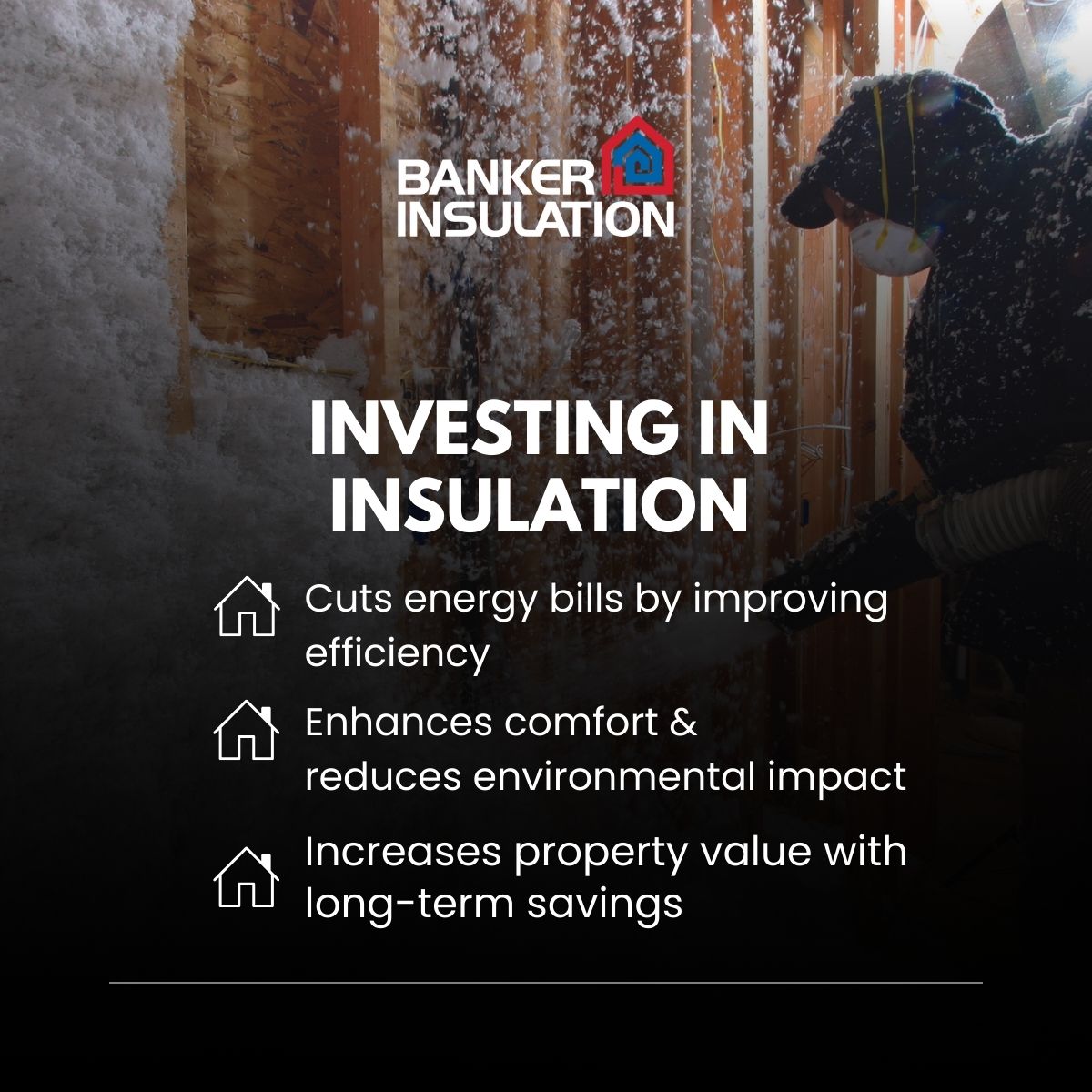
If you’re a homeowner or commercial builder, investing in insulation is one of the smartest ways to manage rising energy costs and improve indoor comfort.

Upgrading your insulation is more than just a quick fix, it’s a smart, long-term investment in energy efficiency, comfort, and cost savings.

Why Insulation Is So Important

Insulation acts as a thermal barrier that keeps your heated or cooled air inside. Without it, your HVAC system works overtime, driving up energy bills and reducing system lifespan.

Properly installed attic, wall, and crawl space insulation helps maintain consistent indoor temperatures year-round, whether you’re dealing with freezing winters or scorching summers.

Real Energy Savings for Homes and Businesses

According to the U.S. Department of Energy, homeowners can save up to 15% on heating and cooling costs by sealing air leaks and upgrading insulation. For commercial builders, especially in large structures like warehouses or metal buildings, insulation plays a major role in reducing operational costs and improving HVAC efficiency.

Materials like spray foam insulation offer excellent air sealing and moisture control, making them a top choice for both residential and commercial projects.

Why Insulation Is a Long-Term Investment

Unlike appliances or tech upgrades that require ongoing maintenance, insulation is a one-time improvement that delivers benefits for decades. It provides:

  • Lower monthly energy bills

  • Increased indoor comfort

  • Long-lasting performance

  • Better property value

  • Improved environmental impact

Whether you’re building new or upgrading an existing space, insulation is one of the highest-ROI upgrades you can make.

Homeowners & Builders: Let’s Talk Insulation

At Banker Insulation, we work with both homeowners and commercial builders to design and install insulation solutions that save energy, cut costs, and boost comfort.

Ready to Invest in Insulation?

Contact us today to get a free quote and expert recommendations for your home or commercial project.

Start saving energy, and money, with professional insulation you can count on.