Should I Let People Insulate My Attic with Cellulose?

If you’ve been asking yourself “should I let people insulate my attic with cellulose?” the short answer is yes. It’s a proven, cost-effective, and eco-friendly option that works exceptionally well in attic applications, although there are a few things worth knowing before the crew shows up.

Why Cellulose Works Well in Attics

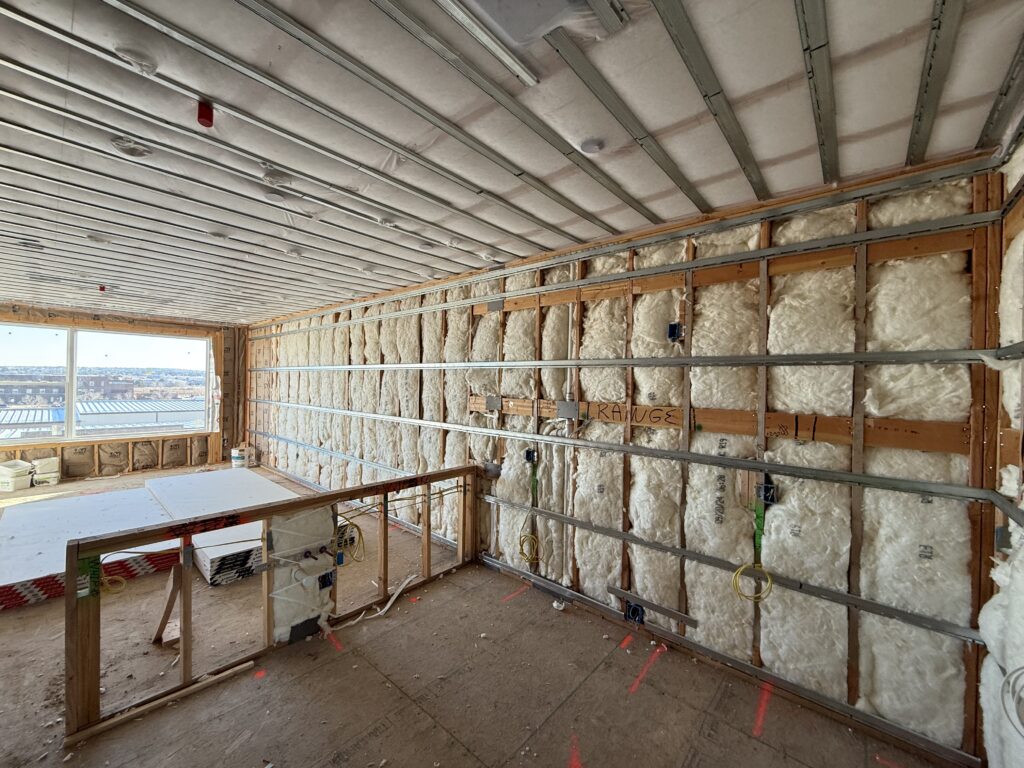
Cellulose is a blown-in- insulation made from recycled paper treated with fire retardants. Its biggest advantage is coverage – it settles into irregular framing, around fixtures, and into corners that batts simply can’t reach. The result is a more consistent R-value across the entire attic floor with fewer thermal gaps.

It’s also one of the more affordable insulation options on the market, delivers solid R-values (R-3.2 to R-3.8 per inch), and is made from up to 85% recycled content.

What to Confirm Before You Say Go

  1. Air seal first: Cellulose is not an air barrier. Any reputable contractor should seal attic penetrations; recessed lights, plumbing, top plates, before blowing. Skipping this step leaves real performance on the table.
  2. Check for moisture: Active roof leaks or poor attic ventilation need to be addressed beforehand. Cellulose can absorb moisture and lose R-value over time if conditions aren’t right.
  3. Know your R-value target: Ask the contractor what depth they’re installing to and confirm it matches your climate zone. In Arizona, that typically means R-38 in lower elevations and up to R-60 in mountain areas.

The Bottom Line

Cellulose is a great choice for attic insulation, as long as the job is done completely, not just quickly. Hire a contractor who air seals before blowing, installs to verified depth, and stands behind their work.

Ready to insulate? Our team serves homeowners across Arizona and does the job right the first time. Reach out to get started.

Insulation in the Desert: Why It Still Matters More Than You Think

When people think of Arizona and New Mexico, they think heat, not cold. But winter temperatures across the Southwest can drop fast, especially at night. If your home or building isn’t properly insulated, you could be losing comfort and money without realizing it.

Banker Insulation helps homeowners and commercial properties across Arizona and New Mexico stay comfortable and energy-efficient all year long, yes, even in winter.

Do You Really Need Insulation in the Desert?

Absolutely. While winters may be milder than in northern states, cold nights, wind, and temperature swings can still:

  • Make your home feel drafty
  • Increase heating costs
  • Cause uneven room temperatures
  • Put extra strain on your HVAC system

Proper attic insulation, wall insulation, and crawl space insulation help keep warm air inside during cold winter nights and hot air out during hot desert days, making insulation a year-round investment.

How Insulation Improves Comfort & Lowers Energy Bills

High-quality insulation works as a thermal barrier by:

  • Improving indoor comfort and temperature consistency
  • Lowering energy bills and heating or cooling costs
  • Improves HVAC efficiency and system lifespan

If your home has old, damaged, or insufficient insulation, you could be wasting energy every single day.

Signs Your Home Needs Insulation Upgrades

You may need new or upgraded insulation if you notice:

  • Cold rooms or cold floors
  • Big temperature differences between rooms
  • High energy bills
  • Drafts or poor indoor comfort
  • An HVAC system that runs constantly

A home energy audit from Banker Insulation can quickly identify where your home is losing energy.

Insulation Services in Arizona & New Mexico

Banker Insulation provides:

  • Attic insulation
  • Residential and commercial insulation
  • Insulation removal and replacement
  • Crawl space insulation
  • Energy efficiency upgrades
  • Multifamily and public works insulation

We tailor every solution to your building, climate zone, and comfort goals.

Why Winter Is a Great Time to Upgrade Your Insulation

Winter is actually one of the best times to upgrade insulation because:

  • Problems are easier to feel and identify
  • You get immediate comfort improvements
  • You start saving on energy bills right away
  • Your home is better prepared for summer heat

Trust Banker Insulation for Year-Round Comfort

Whether you’re in Arizona or New Mexico, proper insulation makes a huge difference in comfort, efficiency, and energy costs, even in the desert.

If you’re ready to improve your home’s performance, we’re here to help with professional insulation services you can trust.

Home Spring Maintenance Tips for AZ and NM Homeowners

As spring arrives in the Southwest, it’s a great time as homeowners in the desert regions of Arizona and New Mexico to gear and to tackle the unique challenges posed by our region’s climate.

Updated March 2025

As spring arrives in the Southwest, it’s the perfect time as homeowners in Arizona and New Mexico to prepare for the extreme summer conditions ahead. Phoenix saw a record-breaking 31 consecutive days above 110°F in 2023, making it more important than ever to get your home ready. With our regional challenges of intense sun, sporadic monsoons, and desert pests, having a proactive spring home maintenance checklist, especially one that includes home insulation, can help keep your home efficient, comfortable, and protected.

Arizona Spring Home Maintenance Tips

Pest Prevention

Scorpions and snakes become more active as temperatures rise, often seeking refuge indoors. To keep these unwanted house guests out:

  • Inspect your home’s exterior for gaps.
  • Seal cracks in your walls, doors and windows, and the foundation.
  • Replace worn door sweeps and weatherstripping.
  • Clear yard debris and woodpiles where pests may hide.
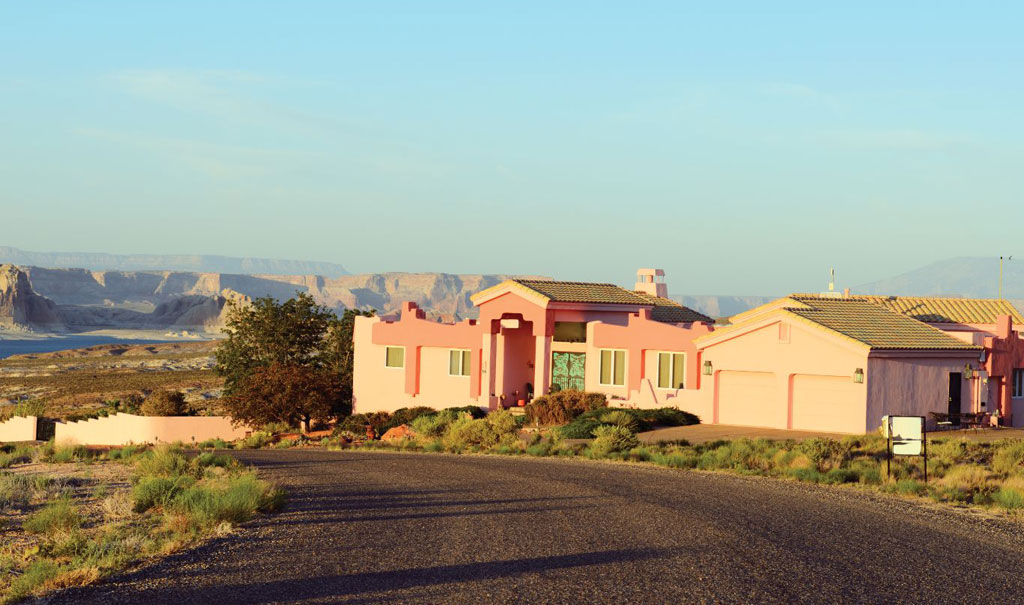
Exterior of an Arizona home

Cooling System Preparation

With over 90% of Arizona homes relying on air conditioning, prepping your cooling system and windows for the summer heat can save you energy and reduce costs. And ensuring your home has adequate insulation and air sealing will also lessen your AC unit’s workload saving you energy and money.

Evaporative Cooler Maintenance

Locals who choose to use an evaporative cooler to help lessen the summer heat can see up to 75% less electricity usage than with a standard AC unit. To maximize your cooler’s use and keep it well maintained, be sure to:

  • Clean out mineral sediment and replace worn cooler pads.
  • Flush the pan and remove calcium scale buildup.
  • Oil the motor (if needed) and test the pump and fan.

Window Seals and Caulking

  • Inspect for cracked caulk or degraded weatherstripping.
  • Re-caulk gaps around windows and replace brittle weatherstripping on doors and windows.
  • Properly sealed openings help reduce energy loss.

A/C Service and HVAC Prep

  • Schedule a professional annual tune-up.
  • Replace/clean your HVAC filters every 1-3 months.
  • Inspect ducts for leaks, as they can waste 20-30% of cooled air.

Clear debris from outdoor units and test your system early to ensure it’s ready for summer.

Exterior of an Arizona home

Exterior Maintenance

Keeping tabs on the outside of your home and property plays an important part in saving energy too.

Roof Inspection

  • Check for winter damage, sun-related wear, missing shingles, and cracked tiles.
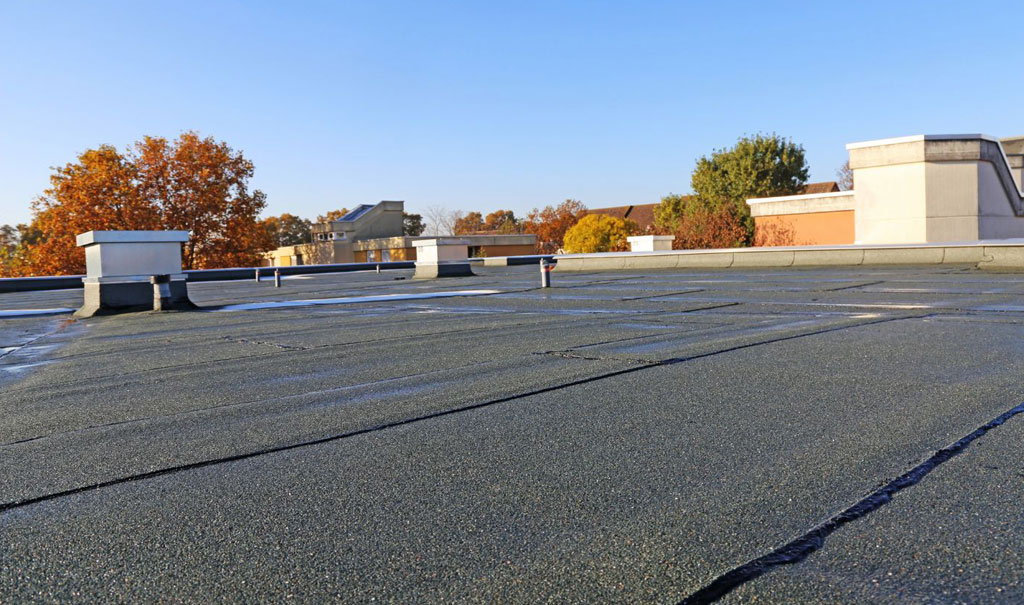
  • If you have a flat roof, check it for pooling water or membrane blisters.
  • Address small repairs now to prevent costly leaks during summer storms.

Landscaping and Irrigation Updates

Up to 70% of your Arizona home water consumption is from outdoor water use. Cut back with these ideas:

  • Trim overgrown plants and tree limbs, especially those touching your house.
  • Inspect drip lines and sprinkler heads for leaks and ensure your timer is set for spring conditions.
  • Use xeriscaping to create a more drought resistant yard by adding barked beds and native plants instead of a traditional lawn.

New Mexico Spring Home Maintenance Tips

Structural Maintenance

Flat Roof Inspection

If you own an adobe style home with a flat roof, be sure to:

  • Check for pooling water, cracks, and peeling coatings.
  • Ensure scuppers, gutters, and downspouts are clear to prevent damage from summer storms.
Flat roof and pooling water

Stucco Wall Repair

Even though stucco is a durable material, continuous cold/hot cycles can cause small cracks that grow over time. This makes it important to patch hairline cracks, bulges, or chips with stucco repair compound or caulk and repaint damaged areas while the weather is warming and drying.

Water Management

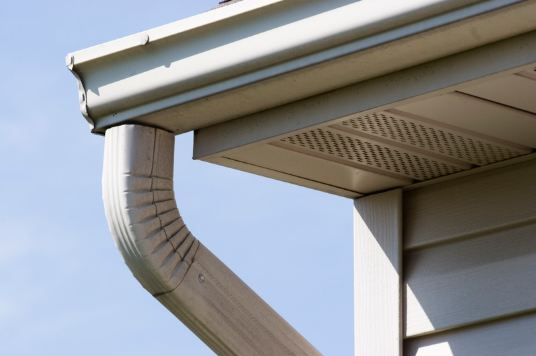
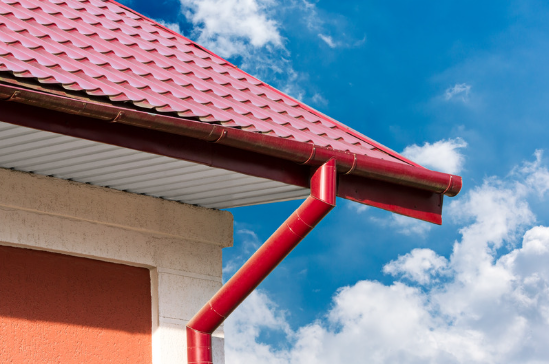
Gutter Cleaning

Help protect your home’s eaves and foundation from intense downpours. Be sure to:

  • Clean out your gutters and downspouts, especially where you have large trees.
  • Remove leaves, seed pods, and sand buildup to prevent blockages.
  • Clear cottonwood seed fluff, which can clog gutters.

Rainwater Catchment Systems

One inch of rain from a 1,000 sq. ft. roof can collect 600 gallons of water! Don’t let this valuable resource just drain off your roof, collect it and use it. Follow these tips:

  • Install or prep rain barrels and cisterns to collect water for summer use.
  • Position your barrels under your gutter downspouts.
  • Ensure your screens/filters are in place to keep out leaves and mosquitoes.
  • Check that overflow routes direct water away from your home.

Xeriscaping

Additional Tips for Every Homeowner

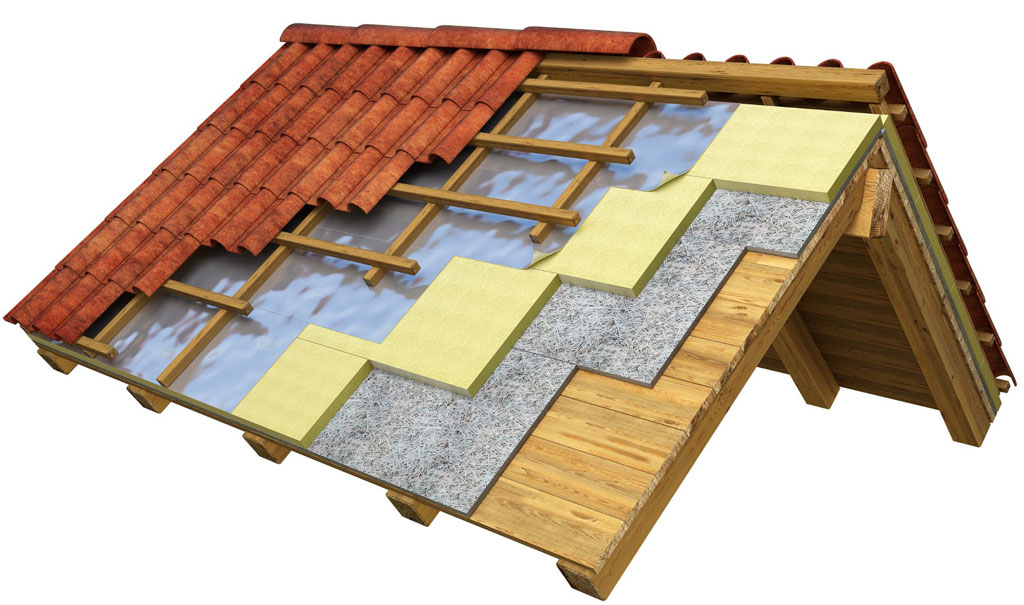
Insulation Improvements

Having a well-insulated home is one of the best ways to conserve energy, save money, and stay comfortable year-round. With upgraded insulation and air-sealing you can cut your heating and cooling costs by about 15%. As you prepare your home for the warmer weather to come, don’t forget to check your home’s insulation.

Roof insulation layer illustration

Inspect and Upgrade Insulation

  • Check your attic’s insulation levels—visible joists indicate a need for more insulation.
  • The Department of Energy recommends certain R-values of insulation for homes in Arizona and New Mexico, based on their climate zone.
  • Federal tax credits can reimburse 30% of your insulation upgrade costs, up to $1,200.

Air Sealing and Energy Audits

  • Seal air leaks around your recessed lighting, attic penetrations, doors and windows, and fireplaces.
  • Consider a professional energy audit to identify inefficiencies.
  • Some utilities offer rebates or credits for home energy audits.
  • At Banker Insulation, we offer home energy audits to our Phoenix and Chandler  customers.

Comfort and Safety

  • Reverse ceiling fans to summer mode (counterclockwise) to improve cooling.
  • Ensure attic vents are clear—attic temperatures can soar in Southwest summers.
  • Install reflective window coverings or screens on west- and south-facing windows.
  • Dryer vents should be cleaned regularly to remove lint buildup and reduce fire risk.
  • Test your smoke and CO detectors, replacing batteries as needed.

Start Spring Off on the Right Foot

By following these home maintenance tips, you and other fellow Arizona or New Mexico homeowners can prevent costly repairs, improve energy efficiency, and stay comfortable all summer long. A well-maintained home not only enhances your comfort but also reduces your energy bills and prolongs the life of essential systems.

At Banker Insulation, we specialize in helping homeowners like you optimize their insulation and energy efficiency. From insulation installation to home energy audits, our team is ready to assist. Contact us today to get your spring off to a great start with an energy efficient home!


References