Updated May 2024
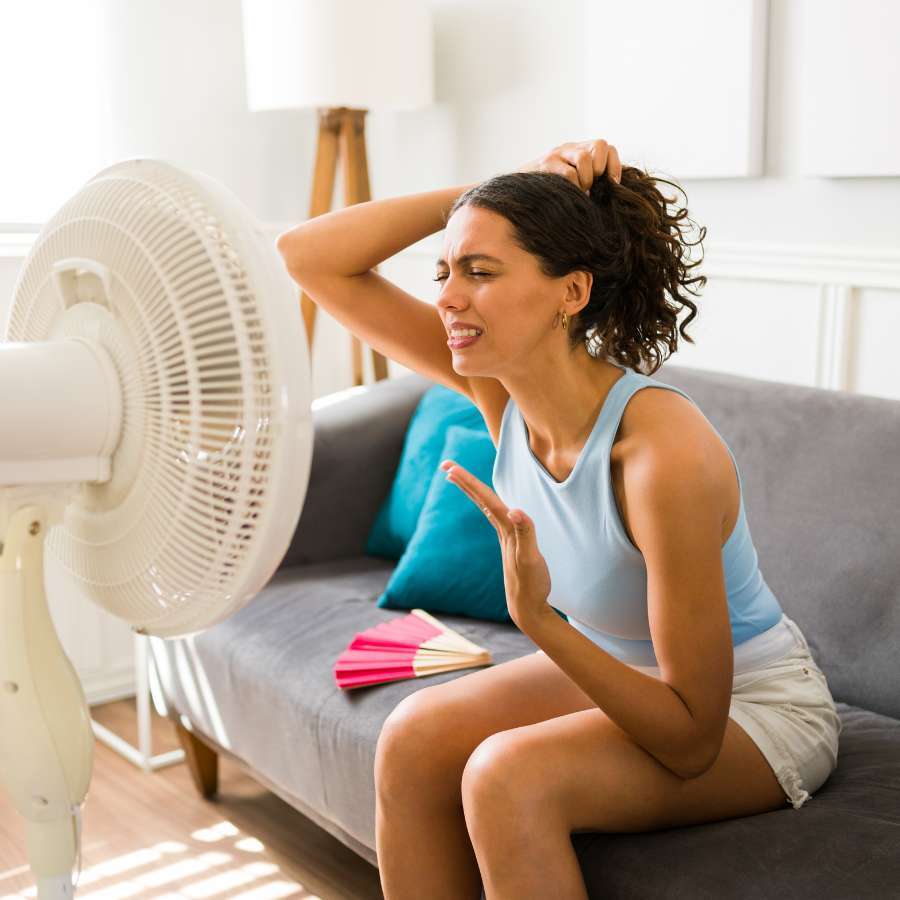
As the scorching summer months approach, residents of Arizona and New Mexico brace themselves for the inevitable spike in energy costs. However, there’s good news–with practical strategies, you can keep cool without breaking the bank. In this guide, we’ll explore four actionable tips to help you stay comfortable and save money on your electricity bills.
Why Insulation Is Key to Cooling in the Southwest
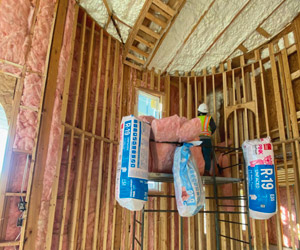
In the blistering heat of an Arizona summer, keeping cool can feel like an uphill battle. Understanding heat transfer is crucial; heat naturally flows from warmer to cooler areas. This is where insulation becomes your best ally. By acting as a thermal barrier, insulation slows down heat transfer, reducing the workload on your air conditioning system and ultimately slashing your cooling costs. When combined with air sealing, you can maximize your home’s energy efficiency to save even more. In fact, with insulation and air sealing you can save an average of 15% or more on your annual heating and cooling costs! That’s a cool investment for your Southwest home.
Four Tips to Beat the Heat & Lower Your Bills in Arizona & New Mexico
Tip 1: Prioritize Insulation
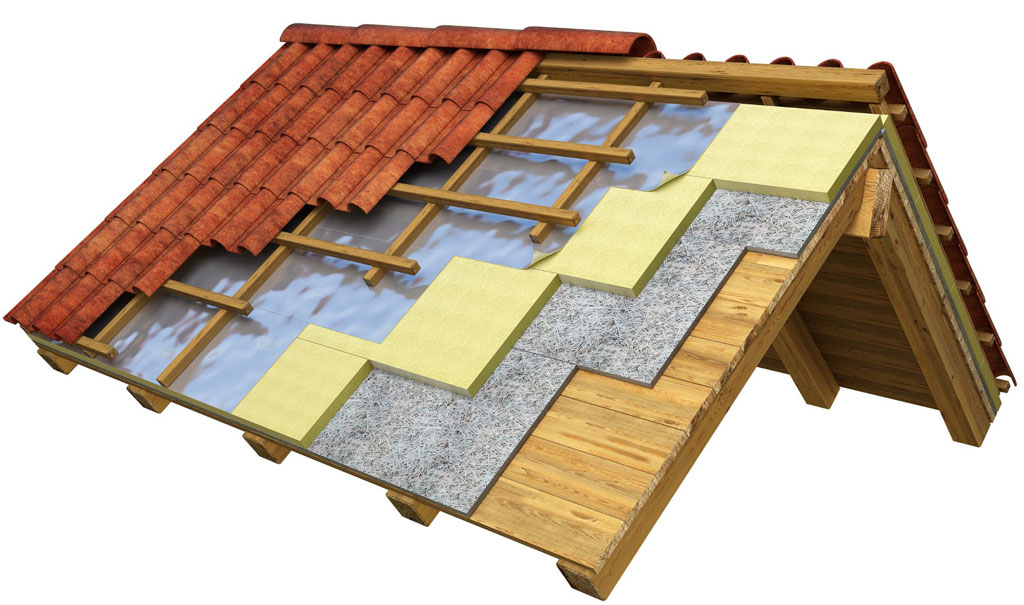
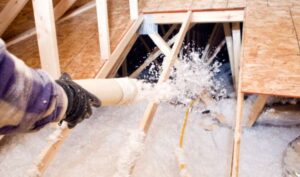 Start by addressing your attic and walls. Proper attic insulation and air sealing are especially crucial as hot air rises and escapes through your roof, making your attic one of the most energy inefficient rooms of your home. Another important area to insulate is inside your exterior walls, especially if you reside in an older home. Older Arizona homes were often built with little to no insulation inside their walls. Adding wall insulation will protect your home from the outside elements by preventing cold drafts and heat loss and creating a cozier living environment and a more energy efficient dwelling.
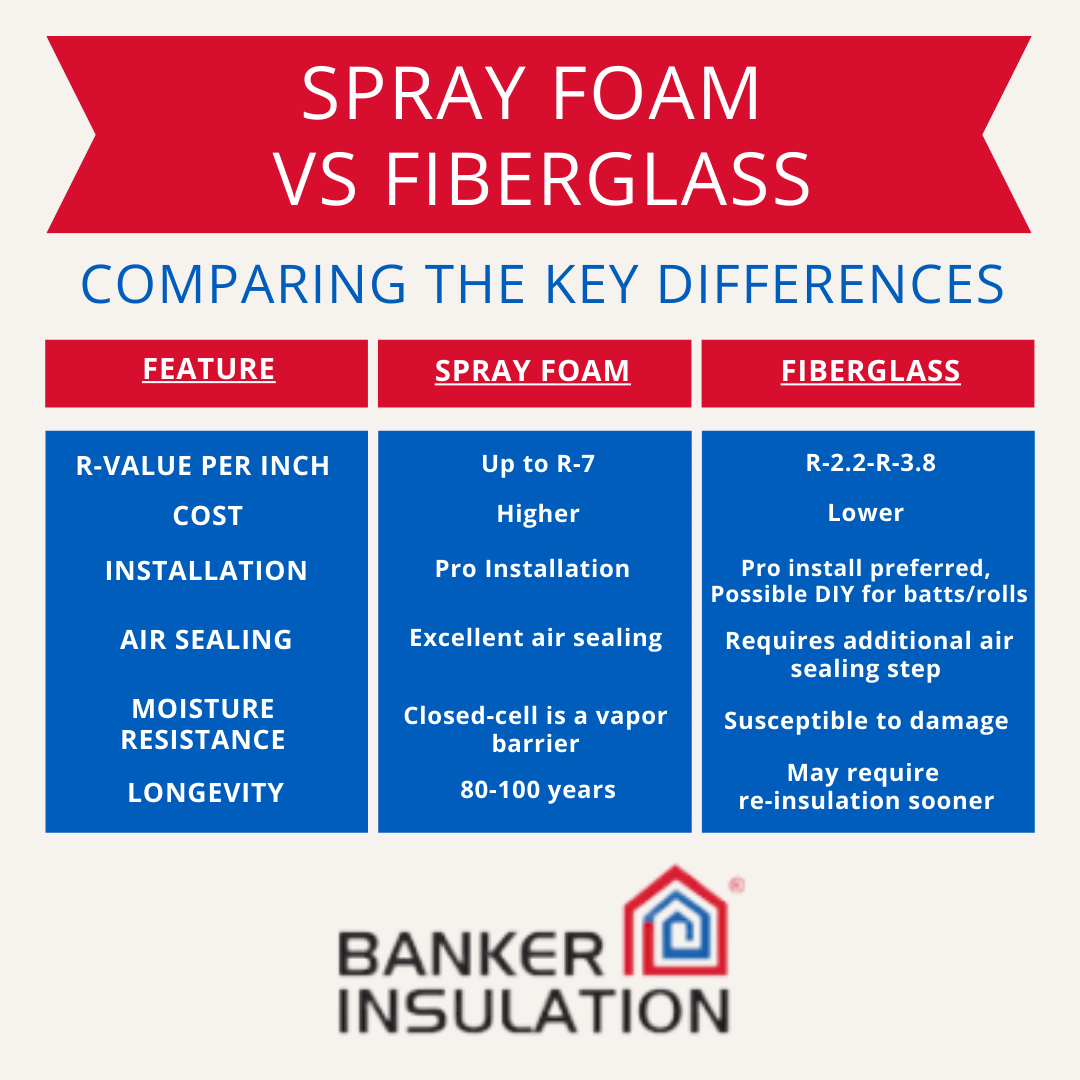
Consider different insulation options such as spray foam, cellulose, or fiberglass for your project, each with their own unique benefits. Spray foam combines insulation and air sealing in one easy step, while cellulose is a great blown-in option, and fiberglass is the most budget friendly choice.
Before starting any insulating project, don’t hesitate to seek a professional assessment in the form of a home energy audit to identify your specific energy needs. Conducted by a professional, like Banker Insulation, these inspections provide a clear picture of your home’s energy consumption and will identify air leaks, inefficient appliances/equipment, and additional sources of energy loss. With this detailed report in hand, you’ll be able to make the most educated decisions regarding maximizing your home’s energy efficiency.
Tip 2: Optimize A/C Usage
Regular maintenance is key to ensuring your air conditioner runs efficiently. Installing a smart thermostat can further enhance energy efficiency by learning your schedule and adjusting cooling accordingly. Additionally, utilizing ceiling fans can help circulate cool air, allowing you to dial back your A/C usage during the hot summer months without sacrificing comfort.
Tip 3: Maximize Shade
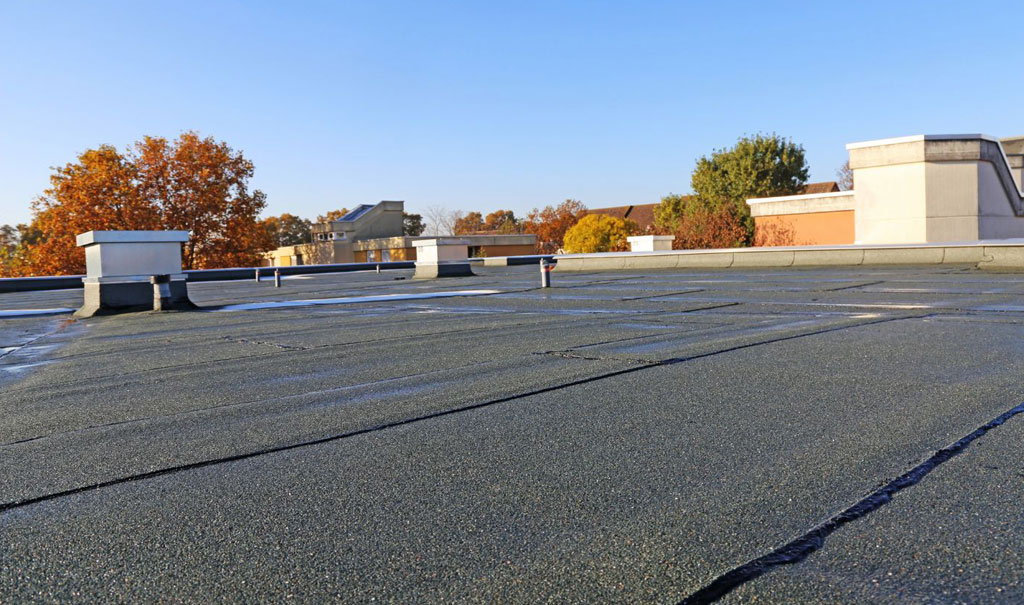
Strategic landscaping with shade trees will reduce the amount of heat entering your home. Utilizing window treatments like awnings, exterior shades, or solar screens are ideal ways to block sunlight from east- or west-facing windows. Opting for light-colored roofing materials also helps reflect heat away from your property.
Tip 4: Mindful Energy Consumption
Upgrade to energy-efficient appliances and LED lighting, and embrace cooking methods that generate less heat, such as outdoor grilling, microwaves, or slow cookers. Consider running major appliances during off-peak hours to take advantage of lower electricity rates.
Tailoring Tips for Arizona
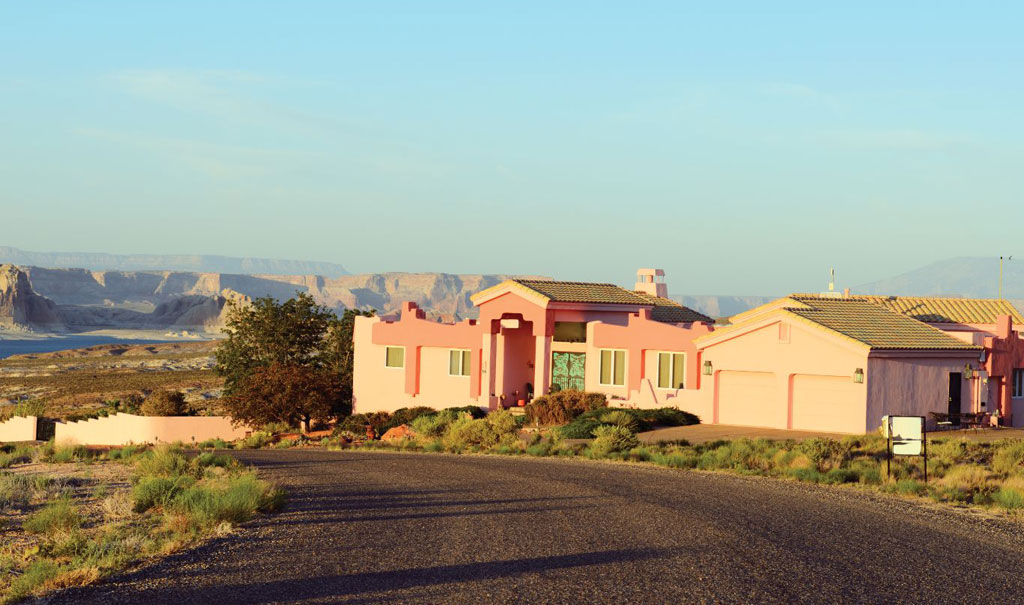
Arizona is known for its extreme heat and dry climate, yet is located in four different climate zones, ranging from hot dry to cold dry. This means that not only are insulation and shade critical, but that different parts of the state have different insulation needs. The insulation needs of Tucson or Phoenix may differ from those of Flagstaff or Snowflake. It’s important to consult with an insulation professional for insulation solutions tailored to your climate zone.
Plus, don’t forget to explore specific energy-saving programs specific to Arizona residents to maximize your savings when making home efficiency upgrades. Check out these resources for more information:
- Banker Insulation – Insulation Tax Credits
- Weatherization Assistance Program
- Arizona Public Service Company (APS)
- Arizona Governor’s Office of Resiliency
- Database of State Incentives for Renewables & Efficiency (DSIRE)
Tailoring Tips for New Mexico
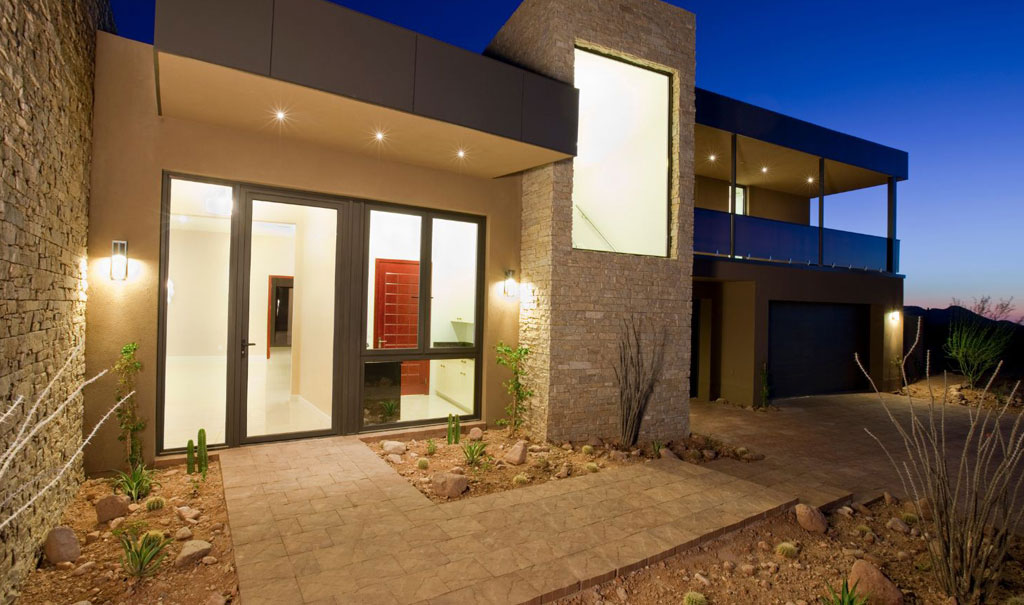
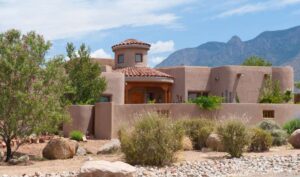 In New Mexico, where altitude and temperature swings pose unique challenges, adjusting insulation strategies is essential. New Mexico is home to three different climate zones (with Albuquerque falling in the “mixed dry” zone 4) and just like in Arizona, each climate zone has different insulating needs. For those building with adobe or living in adobe homes, extra work may be needed to meet required insulation values and local energy codes.
Also, be sure to take advantage of regional energy-saving programs just for New Mexico residents to stay ahead of rising utility bills and earn money back for energy upgrades. Check out these resources for more information:
- Banker Insulation – Insulation Tax Credits
- NM Energy$mart Weatherization Program
- Home Energy Rebate Programs
- Sustainable Building Tax Credit (SBTC)
- Database of State Incentives for Renewables & Efficiency (DSIRE)
- PNM Rebates and Discounts
Save on Summer Energy Costs with Banker Insulation
Staying cool while saving money on your energy bills is entirely achievable with the right approach. By prioritizing insulation, optimizing your cooling systems, maximizing shade, and practicing mindful energy consumption, you can beat the heat and enjoy long-term comfort without breaking the bank. Remember, investing in energy efficiency is an investment in your future comfort and financial well-being. So don’t wait–start saving on your summer energy costs today!
Who can you count on for expert service and tailored insulating solutions for your Arizona or New Mexico home or building? Banker Insulation of course! We have been the Southwest’s go-to insulation company since 1977 and we are here to meet your insulating needs. Contact us today to learn more about our customized insulation options and receive your free estimate.